Blog
Blog Categories
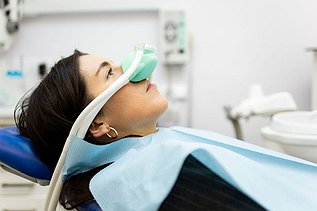
Sedation Options at the Dentist: What Each One Feels Like and Who Needs Which
Dental offices commonly offer three levels of sedation: nitrous oxide, oral sedation, and intravenous sedation. In all three, you stay awake, you breathe on your own, and you can respond when spoken to. None of them is a general anesthetic. We decide which one you need based on two things: how anxious you are, and how long and invasive the procedure is.
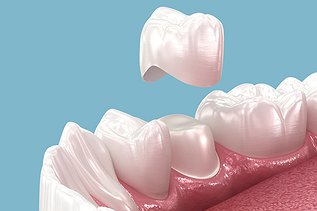
Full Mouth Restoration with Porcelain Crowns: Types, Procedure, and What to Expect
There is a moment when a dentist stops recommending individual repairs and starts talking about rebuilding everything. It usually happens when the X-ray reveals what the mirror cannot: worn enamel on every surface, hairline fractures propagating through old restorations, and a bite that has quietly collapsed by two or three millimetres over the past decade. That conversation marks the beginning of a full-mouth restoration with porcelain crowns.
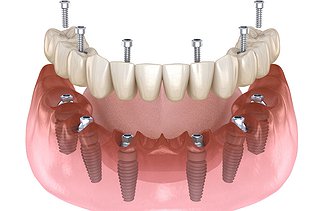
All-on-X Dental Implants in Pickering: Full Arch Teeth in a Day with Digital Planning
For many people in Pickering, the decision to address failing or missing teeth has been delayed for years. Many assume treatment will be painful, take too long, or cost more than they can manage. The reality in 2026 is very different from what most patients expect. Full-arch dental implant treatment has evolved into a streamlined, digitally guided procedure that can deliver a complete set of fixed teeth in a single appointment.

Emergency Dentist in Pickering: What to Do When Tooth Pain Can't Wait
A dental emergency doesn't check the calendar. Whether it's a cracked tooth on a Friday evening, a knocked-out tooth during a weekend hockey game, or a throbbing abscess that woke you up at 3 a.m., when severe dental pain strikes, every hour matters.
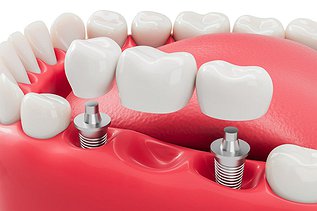
Dental Bridge vs Implant: Which Is the Right Choice for You in Ontario?
When a tooth is missing or needs to be removed, the two most common long-term solutions are a dental bridge or a dental implant. Both restore function and appearance, but they work differently, cost differently, and suit different patients.

Tooth Sensitivity to Cold Air: Is It Serious?
Cold sensitivity in teeth is most often caused by exposed dentin, enamel wear, or gum recession, but when it becomes localized, persistent, or painful, it may signal decay, cracks, or nerve involvement. The key is early identification and targeted treatment.

Dental Insurance in Canada: The Best Plans Reviewed with Pros and Cons
One of the most common questions we hear is surprisingly simple: How exactly does dental insurance work in Canada? The answer isn’t always straightforward. Policies differ, reimbursement structures vary, and terminology can feel technical.