
How Much Does a Root Canal Cost in Ontario?
Root canal cost in Ontario runs from $600 to $1,600 with a general dentist. A front tooth is the low end, a molar is the high end, and an endodontist is higher for the same tooth.
Those figures are for the canal itself. A crown, sedation, a post, and a retreatment are separate lines. They are not folded into the canal fee.
A written estimate is built from the tooth, the person doing the work, and anything the tooth still needs afterward. A workplace plan may pay part of an eligible canal. OHIP does not pay for dental treatment in a dental office. Use the estimate for that tooth, not a single national price.
Key Takeaways
- A molar costs more than a front tooth, and an endodontist costs more than a general dentist for the same tooth.
- A crown is extra, and it is more likely on a back tooth because chewing forces are higher.
- OHIP does not pay for dental services in a dentist's office. A workplace plan or the Canadian Dental Care Plan may pay part of an eligible canal, and you may still owe a balance.
- Retreatment, when a previous canal has not healed, costs more than the original visit. It is uncommon and not a small repair.
- Pickering Smile Centre writes the estimate before treatment starts. New-patient consultations are free.
Find our Dental Clinic Near You
What Changes Root Canal Cost in Ontario
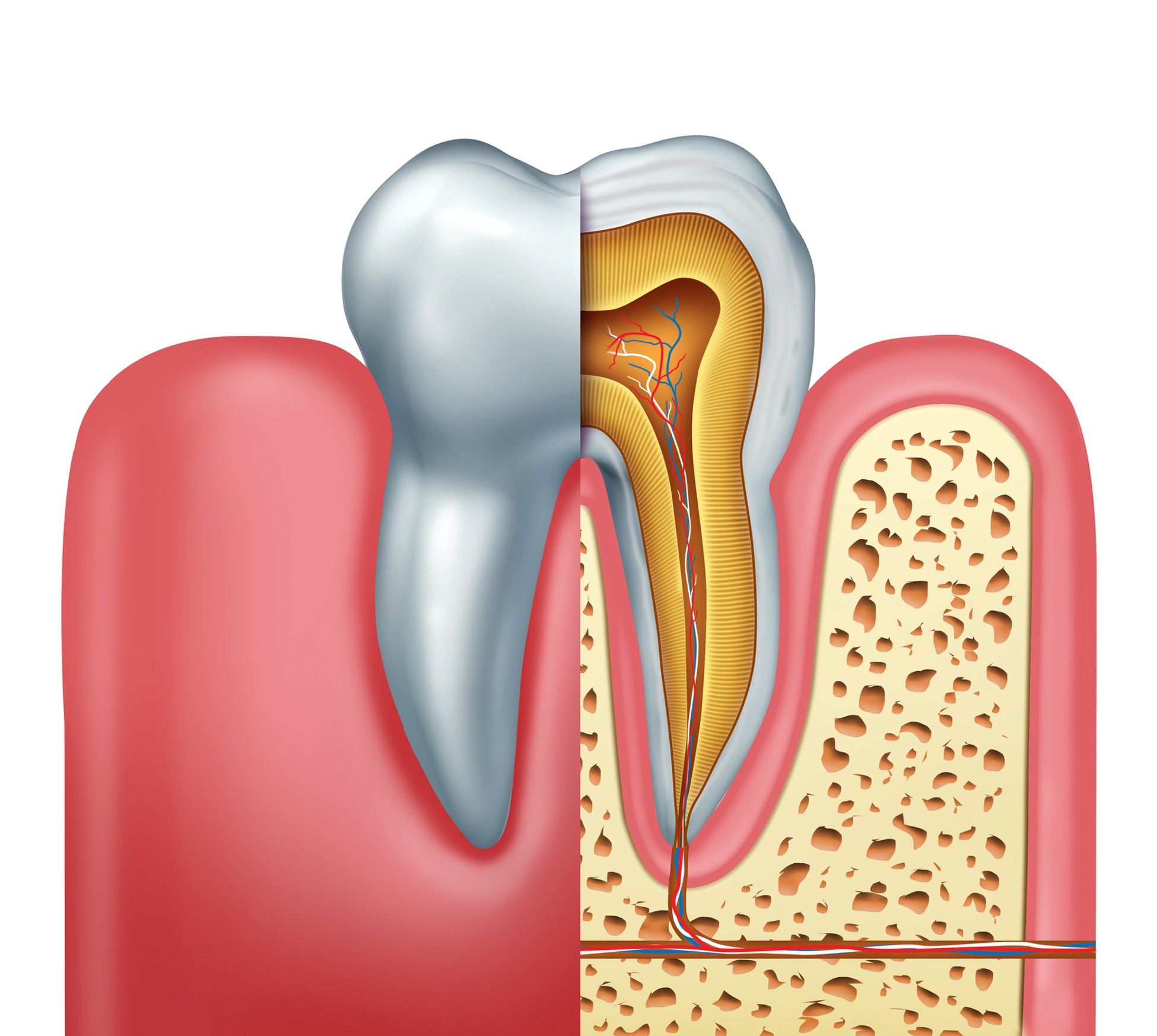
Root canal treatment removes infected, injured, or dead pulp from inside the tooth. The canal system is the space inside the tooth's hard layers. It holds nerves and blood vessels. When bacteria get in through a deep cavity, a crack, or a leaking filling, the pulp can become infected. That tooth may hurt or swell, or the infection may show only on an X-ray. If it is left untreated, it can become a serious problem in the mouth.
The fee follows the work, and the work follows the anatomy.
- Which tooth it is. Front teeth, premolars, and molars do not have the same number of canals.
- How the canals are shaped. A straight canal and a thin, curved one take different amounts of time.
- Who does it? A general dentist and an endodontist bill as different providers.
- What the tooth needs after. A filling, a post, or a crown is not the canal fee.
- Whether this is the first treatment or a retreatment. Retreatment means removing the old filling material and cleaning the canal again.
Root canal treatment keeps the tooth. Removing the tooth removes the infection, but it also removes the tooth. These are different plans, and the cheaper option isn't always the smaller project once you have to replace a missing tooth.
A successful canal lets you keep the tooth instead of pulling it. Keeping it helps stop the teeth beside it from drifting. Saving the tooth also avoids replacing it with an artificial one. That's why people compare a canal to an extraction. The comparison only works if you include what happens after the tooth is gone.
A Front Tooth, a Premolar, and a Molar
A front tooth often has one canal. The opening is usually on the tongue side, and the root is easier to see on an X-ray. Some front teeth still surprise the dentist: a second canal, a curve at the tip, or a crack that changes the plan.
|
Tooth |
General dentist |
Endodontist |
|---|---|---|
|
Front tooth |
$600 to $1,000 |
$700 to $1,200 |
|
Premolar |
$800 to $1,200 |
$900 to $1,400 |
|
Molar |
$1,000 to $1,600 |
$1,200 to $1,800 |
A filling closes the hole when enough of the front tooth remains. A dark tooth, a broken edge, or thin walls may need more than a filling, and the colour after the pulp is gone is part of that conversation. A filling does not always hide a dark root. Adding a crown is a separate fee: often $1,500 to $2,200 on a front tooth and $2,000 to $2,900 on a molar. A premolar falls between them.
A premolar takes a real chewing load, and it often has more than one canal. Ask how many canals the X-ray shows before you treat that tooth as a small version of a front tooth.
A lower molar and an upper molar are not separate price categories. What moves a quote above the molar row is extra canals, a curve, or a retreatment, not whether the tooth is upper or lower.
A wisdom tooth is its own case. The canals can be hard to reach, and the tooth may not be worth saving if it is impacted or has little use in the bite. Do not assume a third molar is priced or covered like a first molar. Ask before you agree to treat it.
What a Written Estimate Should Name
One total is hard to compare and hard to send to an insurer. A useful quote names each piece. If a line is missing, ask whether the tooth doesn't need it or whether you haven't decided yet.
|
Line on the estimate |
Published range |
|---|---|
|
Examination and X-rays |
$75 to $200 |
|
Root canal |
$600 to $1,600 |
|
Post and core |
$150 to $300 |
|
Crown, if required |
$900 to $1,300 |
|
Sedation, if you choose it |
$100 to $400 |
Local anesthetic is the freezing. Sedation is different. Nitrous oxide, oral sedation, or IV sedation sits on top of the canal, and you choose it before the day. Do not assume it is included because the tooth will be frozen.
The canal line should name the tooth. A range that says "root canal" without the tooth is not something you can match to a plan. If the quote's canal line is far above what a general dentist described for that kind of tooth, ask the three questions: endodontist, extra canals, or retreatment.
A temporary filling closes the opening so bacteria stay out. It is not the final restoration. If an endodontist does the canal, they often place a temporary filling and send you back to your dentist for the crown or the final filling. That handoff is normal. It is also why the estimate can come in two parts. Ask for both before you start, even if you complete the second part at another visit.
Who Does the Root Canal Root
A general dentist does many root canals. An endodontist has completed a university specialty program in this treatment and is the person a dentist refers when the anatomy is difficult, a canal cannot be found, or a previous treatment has not healed. The referral is not a failure of the first visit. It is a different skill for a harder tooth.
The fee follows the provider. An endodontist visit is not a general dentist visit with a different name. If your dentist says the tooth should be referred, ask what made it complex: a curve, a blocked canal, a retreatment, or a tooth that is hard to isolate. The answer belongs on the estimate you sign.
"Patients appreciate not only the precision and comfort of advanced endodontic tools but also the time saved through efficient, same-day procedures," says Dr. James C.H. Ko, DDS at Pickering Smile Centre .
If a specialist does the canal, your dentist often completes the restoration. Budget for both appointments. The specialist's temporary filling protects the tooth until that second visit. Leaving it for months is how a finished canal still loses the tooth.
A baby tooth is a different referral question. A dentist may send a damaged primary tooth to a pediatric dentist. That is not the adult molar path, and it should not be priced as one.
What Happens at the Visit
The visit itself is a sequence, and the estimate is easier to trust when you know which steps are the canal and which are extras. You are frozen first. A rubber dam isolates the tooth so saliva, which contains bacteria, stays off the opening. The dentist makes an opening, removes the damaged pulp, and cleans and shapes the canals with fine instruments. The dentist then fills and seals the canals with gutta-percha, a rubber-like material. The dentist closes the opening with a temporary or permanent filling.
That can be one appointment or two. A very infected tooth, or a molar with difficult canals, more often needs a second visit. The second visit is still the same canal, not a new treatment, unless the estimate says otherwise. Ask which one you are booking.
The first week or two can be tender, especially when you bite. That tenderness is common. Swelling, worsening pain, or a bite that suddenly feels high isn't the tenderness people are warned about. Call. Don't wait until the crown appointment to mention it. An adjustment or a look at the temporary filling is a smaller problem on the day it starts than it is a week later.
Chew on the other side while the temporary filling or the temporary crown is in place. The seal keeps bacteria out. Pulling at it with sticky food or testing it with ice can still contaminate a finished canal before the final restoration. Brush the tooth. The canal did not make the outside of the tooth immune to decay.
If the dentist cannot find a canal, or a file cannot pass a blockage, the visit can stop and turn into a referral. That changes the estimate. You should not be billed for a completed molar canal if the tooth was only opened and then referred. Before you leave, ask what was finished and what the next fee is for. An open tooth with a medicated dressing is care. It is not the same as a canal that has been filled and sealed.
Bring the questions in writing if you are anxious and likely to forget them once the chair reclines. Which tooth, how many canals, who is doing the work, whether a crown is expected, and what you will owe if a plan pays only part. Five answers turn a lump sum into a list you can compare with a booklet later. They also help prevent the crown from being a surprise at the second visit.
The Crown That Often Follows
After the canal, the tooth has to be restored so it can chew. The choice depends on how much tooth remains. A back tooth will likely need a crown because chewing puts a great deal of force on back teeth. If not enough tooth remains, posts may be used to support the crown. A post holds the build-up. It does not replace the crown, and it is not used to "strengthen" a tooth that already has enough structure.
A front tooth is the maybe. If enough enamel and dentin remain, a filling may be the restoration. If the edge is broken or the tooth is dark, the conversation turns to a dental crown . That crown is a separate estimate. It has its own material and its own laboratory step. Don't let anyone add a crown number to the canal number until they've looked at the tooth.
The timing matters. The tooth can be tender for the first week or two after the canal. Bad pain or swelling is not the usual course. If that happens, call. Tenderness that settles is not a reason to skip the crown on a molar. A molar left with only a temporary filling can crack when you chew. At the canal visit, ask whether the crown can wait until you decide on a plan. Ask what is protecting the tooth until then, and chew on the other side.
You can still get a cavity or gum disease on a tooth that has had a canal. The treatment does not shield the outside of the tooth. With care and regular visits, the tooth can last as long as your other teeth. Most of the time it can be saved. In some cases, even after everything reasonable has been done, the tooth still has to come out. That possibility belongs in the conversation before you start, not after the second appointment.
An Extraction Is a Different Bill
An extraction is $150 to $400. A root canal is $600 to $1,600 before the crown. The extraction ends the infection by removing the tooth. After that, you need a plan for the space, or the teeth beside it can shift, and your bite can change.
Replacing the missing tooth is where the extraction stops being the small option. An implant is $3,000 to $5,000, so extraction plus an implant is $3,500 to $5,400. A bridge starts at $2,000 to $3,500. Over about 10 years, a canal plus a crown is often $1,700 to $3,200, including a small maintenance band. Extraction plus an implant over the same span is $3,500 to $6,000. Extraction plus a bridge is $2,700 to $4,700. Compare those combined plans, not the canal alone against the extraction alone.
Over the years, the kept tooth still needs checkups, and it can still decay at the edge of the crown. The replaced tooth needs its own maintenance. Neither choice is free after the first year. The useful test is the combined estimate: save the tooth, or remove it and replace it. If the root is split or the tooth is too broken to restore, a root canal is the wrong plan, even if it would have cost less on paper. The dentist should say that plainly.
If you are in pain today, the choice can feel urgent. An emergency visit can start the relief, open the tooth, or remove it. It should not be the only moment you hear the two full plans. Ask for the canal path and the extraction path in writing once the X-ray is read, even if treatment starts the same day to control infection.
A few signs belong on that X-ray conversation, because they change which plan is honest. Pain that wakes you, swelling in the gum beside the tooth, or a pimple on the gum that comes and goes are reasons to treat the infection, not reasons to guess the fee from a friend's molar. A tooth that hurts only to cold and then lingers may still be savable. A tooth that is loose, or a root that is cracked along its length, may not be. That's why two people with "a root canal" leave with different estimates. Diagnosis comes first, even when it isn't given a dollar of its own.
Jaw-joint pain, called TMJ pain, can imitate a tooth that needs a canal. "We often see patients at Pickering Smile Centre who have tried multiple fillings or even root canals without relief, until the TMJ issue is properly identified and managed," says Dr. Amir Guorgui, BSc, DMD, MACSD at Pickering Smile Centre .
What OHIP and a Plan Actually Pay
OHIP does not cover dental services provided in a dentist's office . A health card does not pay for a root canal the way it pays for a visit to a physician. Some dental surgery done in a hospital, such as fracture repair or a medically necessary removal that OHIP has approved, falls into a different, narrower category. A canal in a dental clinic doesn't fall into that category.
Many workplace plans pay 50% to 80% of an eligible canal, up to a yearly maximum that often sits between $1,000 and $2,500. After that share, you can still owe a balance, and the balance is larger on a molar than on a front tooth. Basic plans often pay exams and fillings and pay little toward endodontic treatment. A plan that includes major or endodontic treatment still has a percentage, a maximum, and sometimes a waiting period or a frequency rule. Cleanings and other work in the same year use that maximum first. A canal booked in December can land on an empty balance.
Ask three things before the appointment.
- Does this tooth qualify under the booklet, or do you need approval first?
- What is left in this year's maximum after other claims?
- Is the fee the plan allows the same as the fee on the estimate, or is there a difference you pay?
The Canadian Dental Care Plan can cover restorative care, including a root canal, when clinically needed. Sun Life bills eligible treatment directly. The clinic follows the Ontario Dental Association fee guide, which may differ from what the plan reimburses, so you may still owe the co-payment and the fee difference. We review coverage and the estimate before treatment begins. Do not assume a neighbour's income band is your co-payment. Bring your own card.
If you are uninsured, the estimate is the bill. Spacing it is a payment question, not a clinical one. Dental financing can spread a balance. It does not reduce what the tooth needs, and it does not replace a written list of lines.
Retreatment and Surgery at the Root
Most root canals succeed. In some uncommon cases, you need a second treatment. The dentist removes the old filling material, then cleans, shapes, and refills the canal. That is retreatment, and it costs more than the original visit because the dentist must remove the first filling before placing the new one. It is not a polish or a new X-ray. The added cost is often $1,000 to $2,000.
Surgery is the step when a regular canal cannot be done or has not worked. It is used to check the end of the root for a crack, to remove a part of the root that could not be cleaned, or to clear an infection that did not heal. It is a further procedure, not a footnote on the original estimate. If someone quotes surgery and a standard canal as the same fee, ask which one is actually planned.
A tooth that cannot be retreated and cannot be surgically treated successfully is an extraction conversation. That is a clinical limit, not a payment tactic. Hearing it early is better than hearing it after two attempts.
How the Estimate Is Written
Pickering Smile Centre treats the canal at the Dersan Street clinic in Pickering, including same-day care when you are in pain. The tooth is assessed here. If the case needs a specialist, we'll tell you before you book a visit that we can't complete the treatment.
Those figures are the published ranges by tooth and by provider. A free consultation for a new patient is where we name your tooth, say whether a crown is likely, and write the lines before treatment starts. You should leave knowing which canal you are paying for and what is not included.
We bill the Canadian Dental Care Plan directly through Sun Life for eligible treatment. We follow the Ontario Dental Association fee guide. You are responsible for any co-payment and for the fee difference, and we explain both before the appointment. We check a workplace plan the same way: share, maximum, and any approval the booklet requires.
Nitrous oxide, oral sedation, and IV sedation are available if the visit is long or if fear is what has kept you away. Say so when you book. Sedation is arranged, not improvised, and it is its own line if there is a charge.
The Estimate Is the Tooth in Front of You
Root canal cost in Ontario is the tooth, the canals, and who does the work. A front tooth with one canal and a molar with curved canals are different visits. An endodontist charges a different fee than a general dentist. A crown, a post, and a retreatment sit on top of the canal, not inside it.
OHIP does not pay for the canal in a dental office. A workplace plan may pay part of an eligible treatment up to its maximum. The Canadian Dental Care Plan may cover a clinically needed canal, and you may still owe a co-payment and the difference from the Ontario Dental Association fee guide. An extraction may look smaller on the day and larger once the tooth is replaced.
Read the lines. If one surprises you, ask before the freezing goes in. Book a free consultation , and we will put the tooth, the canal, and any crown or post on one written estimate before treatment starts.
Frequently Asked Questions
How much does a root canal cost in Ontario?
With a general dentist, the range is $600 to $1,600. A molar costs more than a front tooth, and an endodontist costs more than a general dentist. A crown and a post are extra. A written estimate names the lines for your tooth.
Is a molar more expensive than a front tooth?
Yes. A molar has more canals and takes more time, so the estimate is higher than for a front tooth. Upper and lower molars are not separate categories. Curves, extra canals, a specialist, and retreatment push a molar even higher.
Does OHIP cover a root canal?
No. OHIP does not cover dental services provided in a dentist's office. A health card does not pay for the canal. Some hospital dental surgery is a separate, limited benefit and is not a root canal appointment in a clinic.
Will I need a crown after a root canal?
A back tooth likely will, because chewing force is high. A front tooth may be restored with a filling if enough tooth remains. The crown is a separate fee. A post is added only when there isn't enough tooth to support the build-up.
Does the Canadian Dental Care Plan cover a root canal?
It may, when the canal is clinically needed. Sun Life bills eligible treatment directly. You may still owe a co-payment and the difference between the plan's reimbursement and the Ontario Dental Association fee guide. Coverage is reviewed before treatment.
What if the first root canal did not heal?
Retreatment removes the old filling material and cleans and fills the canal again. It is uncommon, and it costs more than the original treatment. Surgery at the end of the root is a further step if regular retreatment can't resolve it.
Is it cheaper to pull the tooth?
The extraction is the smaller visit on the day. Replacing the tooth with an implant or a bridge is a separate project, and over the years it is usually the larger one. Compare the canal plus the crown with the extraction plus the replacement you would actually want.