
Dental Bridge vs Implant: Which Is the Right Choice for You in Ontario?
When a tooth is missing or needs to be removed, the two most common long-term solutions are a dental bridge or a dental implant . Both restore function and appearance, but they work differently, cost differently, and suit different patients.
This guide breaks down every meaningful difference, including 2026 cost estimates for Ontario, so you can walk into your consultation with confidence.
Key Takeaways
- A dental implant replaces the tooth root and crown; a dental bridge replaces only the visible crown by anchoring to adjacent teeth.
- Implants typically last 15–25+ years; bridges typically last 10–15 years.
- In Ontario, a single implant costs approximately $3,000–$5,500; a three-unit bridge costs $2,500–$4,500.
- Implants preserve jawbone; bridges do not and may lead to gradual bone loss beneath the gap.
- Bridge placement is faster (2–4 weeks); implant treatment takes 3–9 months, including osseointegration.
- Neither option is universally superior — the right choice depends on bone density, adjacent tooth health, budget, and timeline.
Find our Dental Clinic Near You
What Is a Dental Bridge and What Is a Dental Implant?
Before comparing the two, it helps to understand exactly how each solution works at a structural level.
How a Dental Bridge Works
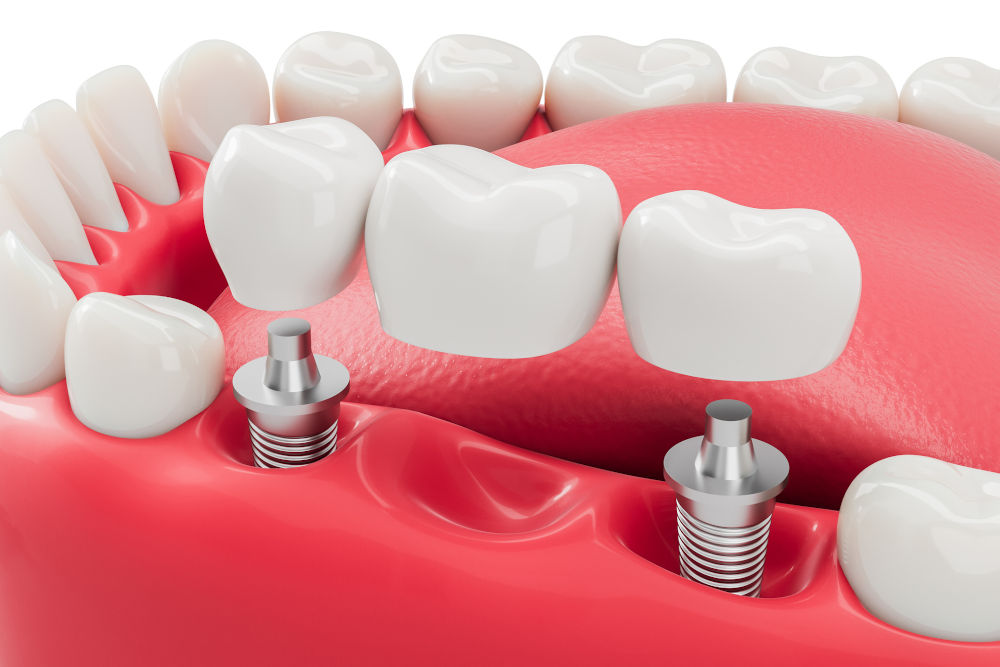
A dental bridge is a fixed prosthetic device that spans the gap left by a missing tooth. It consists of one or more artificial teeth (called pontics) anchored to crowns placed on the neighbouring natural teeth on either side of the gap. Those neighbouring teeth, called abutment teeth, must be filed down and permanently altered to support the bridge.
The result is a three-unit (or more) structure permanently cemented in place, restoring bite function and appearance without surgery.
How a Dental Implant Works
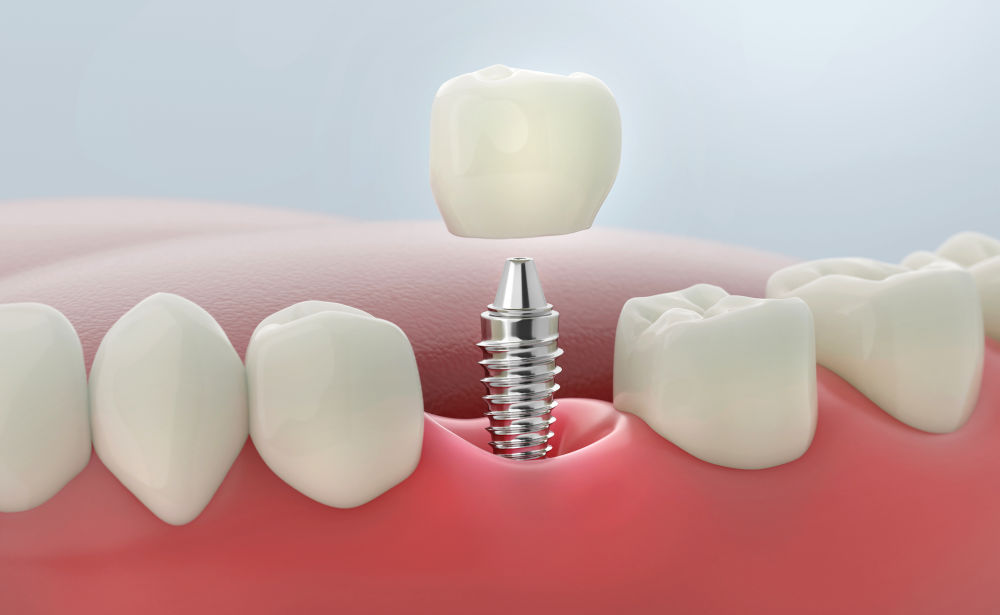
A dental implant replaces both the visible crown and the tooth root. A small titanium post is surgically placed into the jawbone, where it fuses with the bone over a period of 3–6 months in a process called osseointegration. Once integrated, a custom ceramic crown is attached to the implant via an abutment connector.
The result is a standalone replacement tooth that functions independently no adjacent teeth are altered or involved.
Side-by-Side Structure Comparison
| Feature | Dental Bridge | Dental Implant |
|---|---|---|
| Replaces | Crown only (visible tooth) | Root + Crown (entire tooth) |
| Adjacent teeth affected | Yes — must be filed down | No — fully independent |
| Surgical procedure required | No | Yes — implant placement |
| Bone preservation | No | Yes — stimulates the jawbone |
| Number of components | 1 fixed unit (3+ crowns) | 3 parts: post, abutment, crown |
| Reversibility | Permanent (irreversible) | Permanent (stable long-term) |
How Much Does a Dental Bridge vs. an Implant Cost in Ontario in 2026?
Cost is one of the most common deciding factors for patients in Pickering and the broader Ontario region. The Ontario Dental Association fee guide sets the baseline for what dental offices charge, though actual pricing varies by clinic, complexity, and materials used.
Dental Bridge Cost in Ontario
A standard three-unit dental bridge in Ontario (one artificial tooth anchored by two crowns) typically costs between $2,500 and $4,500, depending on:
- Material — porcelain-fused-to-metal, all-ceramic, or zirconia
- Number of units in the bridge
- Whether existing teeth require additional preparation or treatment
- Location and specific dental office pricing
Dental Implant Cost in Ontario
A single dental implant in Ontario, including the implant post, abutment, and crown, typically costs between $3,000 and $5,500. Additional costs may apply for:
- Bone grafting (if bone density is insufficient): $500–$3,000
- Sinus lift procedures: $1,500–$3,500
- CT scan or 3D imaging: $200–$500
- Tooth extraction prior to placement: $200–$500
Cost Comparison Table — Ontario 2026
| Cost Factor | Dental Bridge | Dental Implant |
|---|---|---|
| Base procedure cost | $2,500–$4,500 | $3,000–$5,500 |
| Additional procedures | Rare | Bone graft if needed (+$500–$3,000) |
| Typical insurance coverage | 50% of major services | 50% of major services (varies) |
| Estimated out-of-pocket (with avg coverage) | $1,250–$2,250 | $1,500–$2,750+ |
| Replacement cost over 20 years | $5,000–$9,000 (1–2 replacements) | $0–$1,500 (crown only if needed) |
| Long-term cost efficiency | Lower short-term | Lower long-term |
At Pickering Smile Centre Dental, we offer flexible payment plans and direct billing to most major insurance providers, including Sun Life and Manulife. Patients should request a predetermination from their insurer before proceeding with either treatment.
Dental Bridge Pros and Cons
Advantages of a Dental Bridge
- No surgery required — suitable for patients who cannot undergo implant placement
- Faster treatment timeline — typically completed in 2–4 weeks across 2 appointments
- Lower upfront cost compared to implants
- Covered at a higher rate by some insurance plans as a major service
- Well-established, predictable procedure with decades of clinical history
Disadvantages of a Dental Bridge
- Requires permanent modification of healthy adjacent teeth
- Does not stimulate the jawbone — bone loss beneath the gap will occur over time
- Average lifespan of 10–15 years, after which replacement is required
- Increased risk of decay beneath the bridge if oral hygiene is not maintained
- If an abutment tooth fails, the entire bridge must be replaced
Dental Implant Pros and Cons
Advantages of a Dental Implant
- Preserves jawbone by mimicking natural tooth root stimulation
- Does not affect or alter any adjacent teeth
- Longest lifespan of any tooth replacement option — 15–25+ years or lifetime with proper care
- Feels and functions most like a natural tooth
- Easier to clean — brushed and flossed like a natural tooth
- Most cost-effective option over a 20-year horizon
Disadvantages of a Dental Implant
- Requires oral surgery and a longer treatment timeline (3–9 months)
- Higher upfront cost
- Not suitable for all patients — adequate bone density is required
- May require additional procedures (bone graft, sinus lift) that add cost and time
- Insurance coverage varies; some plans exclude implants or cover only partially
Who Is a Good Candidate for Each Option?
The clinical suitability of a dental bridge versus an implant depends on several measurable factors. At Pickering Smile Centre Dental, we assess these during a comprehensive consultation and 3D imaging evaluation.
You May Be a Better Candidate for a Dental Bridge If
- You have insufficient bone density for implant placement (and do not wish to undergo bone grafting)
- You require tooth replacement within 2–4 weeks due to time constraints
- The adjacent teeth on either side of the gap already require crowns
- You have medical conditions (such as uncontrolled diabetes or autoimmune disorders) that may affect implant healing
- Budget constraints favour the lower upfront cost
You May Be a Better Candidate for a Dental Implant If
- You have healthy adjacent teeth you want to preserve
- You have adequate bone volume and density (or are willing to undergo bone grafting)
- You are looking for the longest-lasting, lowest-maintenance solution
- You are a non-smoker or willing to quit smoking before and after treatment
- You are committed to a 3–9 month treatment timeline
Treatment Timeline and Recovery: Bridge vs Implant
One of the most significant practical differences between the two options is the time commitment.
Dental Bridge Timeline
The bridge process typically involves two appointments:
- Appointment 1: Abutment teeth are prepared and filed; a temporary bridge is placed; impressions are taken
- 2–3 weeks: Laboratory fabrication of the permanent bridge
- Appointment 2: Permanent bridge is fitted, adjusted, and cemented
Recovery is generally minimal. Sensitivity around the prepared teeth subsides within a few days to two weeks.
Dental Implant Timeline
Implant treatment involves multiple stages over a longer period:
- Stage 1: Tooth extraction (if required) — 4–8 weeks healing
- Stage 2: Bone graft placement (if required) — 3–6 months healing
- Stage 3: Implant post placement — minor oral surgery
- Stage 4: Osseointegration — 3–6 months for the titanium post to fuse with the jawbone
- Stage 5: Abutment placement and custom crown fitting — 2–4 weeks
Total treatment time for a straightforward implant case without bone grafting: approximately 4–6 months. Cases requiring bone augmentation may take 9–12 months.
Dental Insurance Coverage for Bridges and Implants in Ontario
Understanding how insurance applies to each option prevents financial surprises.
In Ontario, both dental bridges and implants are generally classified as major restorative services. Most private insurance plans (Sun Life, Manulife, Canada Life, Blue Cross, GreenShield) cover major services at approximately 50% of costs, subject to annual maximums.
Key Insurance Considerations
- Annual maximums: Most plans cap coverage at $1,000–$2,500 per year. A $4,000 implant would exceed most annual limits.
- Predetermination: Always request predetermination before treatment. This confirms your insurer's position on coverage before the procedure.
- Waiting periods: Individual private plans may impose 6–12 month waiting periods on major services.
- Implant exclusions: Some older or basic plans explicitly exclude implants. Review your policy carefully.
- CDCP eligibility: The Canadian Dental Care Plan may cover eligible Canadians for bridges and extractions. Coverage for implants under CDCP is limited; confirm current eligibility criteria at canada.ca.
Estimated Insurance Scenarios
| Scenario | Procedure Cost | 50% Coverage | Annual Max Applied | Est. Out-of-Pocket |
|---|---|---|---|---|
| Bridge (3 units) | $3,500 | $1,750 | $1,500 max paid | $2,000 |
| Implant (no graft) | $4,200 | $2,100 | $1,500 max paid | $2,700 |
| Implant + bone graft | $6,500 | $3,250 | $1,500 max paid | $5,000 |
| Bridge with CDCP eligible | $3,500 | Variable | CDCP co-payment applies | Review with the clinic |
At Pickering Smile Centre Dental, our administrative team assists patients with benefit coordination, direct billing, and predetermination submissions before treatment begins.
Long-Term Considerations: What Happens Over 10, 15, and 20 Years?
The decision between a bridge and an implant is not just about today's cost — it is about total lifetime value.
Bridge: Long-Term Realities
- Average lifespan: 10–15 years under normal conditions
- Replacement required at the end of the bridge's lifespan — often at similar or higher cost
- Bone resorption beneath the gap begins immediately and progresses over the years, potentially changing facial contour
- Adjacent abutment teeth are weakened by the crown preparation and may develop decay or fracture over time, requiring additional treatment
- Over 20 years, a patient may replace the bridge once or twice, totalling $7,000–$12,000
Implant: Long-Term Realities
- Expected lifespan: 15–25+ years, with many patients retaining implants for life
- The implant post itself rarely fails; the ceramic crown may require replacement after 15–20 years ($1,000–$1,500)
- Bone stimulation prevents resorption, preserving jaw structure and facial appearance
- No impact on adjacent teeth — long-term oral health of neighbouring teeth is not compromised
- Over 20 years, the total cost often remains close to the original investment
The 20-year perspective frequently changes how patients evaluate the initial cost difference. An implant that costs $1,000–$2,000 more than a bridge at placement may be significantly less expensive over the same period when bridge replacements and associated treatment are factored in.
Which Option Is Right for You? Next Steps at Pickering Smile Centre Dental
There is no single correct answer to the bridge vs implant decision, only the most appropriate one for your clinical situation, timeline, and financial circumstances.
As a general framework:
- If you need tooth replacement quickly, have compromised adjacent teeth, or face budget constraints, a dental bridge may be the right starting point.
- If you want the longest-lasting solution, want to preserve adjacent teeth and jawbone, and can accommodate a longer treatment timeline, an implant typically provides better long-term outcomes.
- If bone density is a concern, implants are still possible in many cases — bone grafting can be discussed as part of your treatment plan.
At Pickering Smile Centre Dental, we provide 3D cone-beam CT imaging, same-day consultations, and a clear, no-pressure treatment-planning process. Our clinical team serving patients across Pickering, Ajax, Whitby, Oshawa, and the Durham Region will walk you through every option, cost, and timeline before any decision is made.
Book your consultation online or call us at 905-224-5636 to discuss which solution is right for your smile.
Frequently Asked Questions
Is a dental implant or a bridge better for a back molar?
For a missing molar, an implant is generally the preferred clinical recommendation when sufficient bone is available. Molars endure the highest bite forces — implants distribute this load more naturally. Bridges anchored to molar abutments carry a higher risk of fracture under repeated high-force chewing.
Can a dental bridge be converted to an implant later?
Yes, in many cases. If you receive a bridge and later decide to pursue an implant, the bridge can be removed and an implant placed — provided adequate bone remains. However, the longer a gap has been present without an implant, the more bone resorption may have occurred, potentially requiring bone grafting at additional cost.
Does a dental bridge or implant look more natural?
Modern all-ceramic and zirconia options for both bridges and implants can produce very natural-looking results. Implants typically have a slight aesthetic advantage in the long term because they preserve gum volume and the underlying bone structure beneath the visible crown. Bridges may lead to gradual tissue recession around the gap over time.
How painful is dental implant surgery compared to a bridge?
Most patients report that implant surgery is less uncomfortable than anticipated. Local anesthesia is used throughout the procedure, and sedation options are available at Pickering Smile Centre Dental. Post-surgical discomfort is typically manageable with over-the-counter pain medication. Bridge preparation causes some sensitivity as adjacent teeth are shaped, but recovery is generally straightforward.
Are dental implants covered by insurance in Ontario?
Coverage varies significantly by plan. Many employer-sponsored plans include implants under major services at 50% of the cost, subject to annual maximums. Some individual or older plans explicitly exclude implants. Always confirm with your insurer before treatment and request a predetermination. Our team at Pickering Smile Centre Dental assists with this process.
What if I don't have enough bone for an implant?
Insufficient bone is common and does not automatically disqualify you from implant treatment. Bone grafting procedures can rebuild adequate volume before implant placement. The decision depends on the extent of bone loss, overall health, and patient preference. During your consultation, 3D imaging will determine whether grafting is required and what the timeline would look like.
Bibliography
- Ontario Dental Association — Fee Guide and Restorative Procedures: https://www.oda.ca/
- Canadian Dental Association — Implant and Bridge Clinical Guidelines: https://www.cda-adc.ca/
- Government of Canada — Canadian Dental Care Plan (CDCP): https://www.canada.ca/en/services/benefits/dental/...
- Journal of Prosthetic Dentistry — Implant vs Bridge Long-Term Outcomes: https://www.thejpd.org/
- Statistics Canada — Dental Health and Coverage in Canada: https://www.statcan.gc.ca/