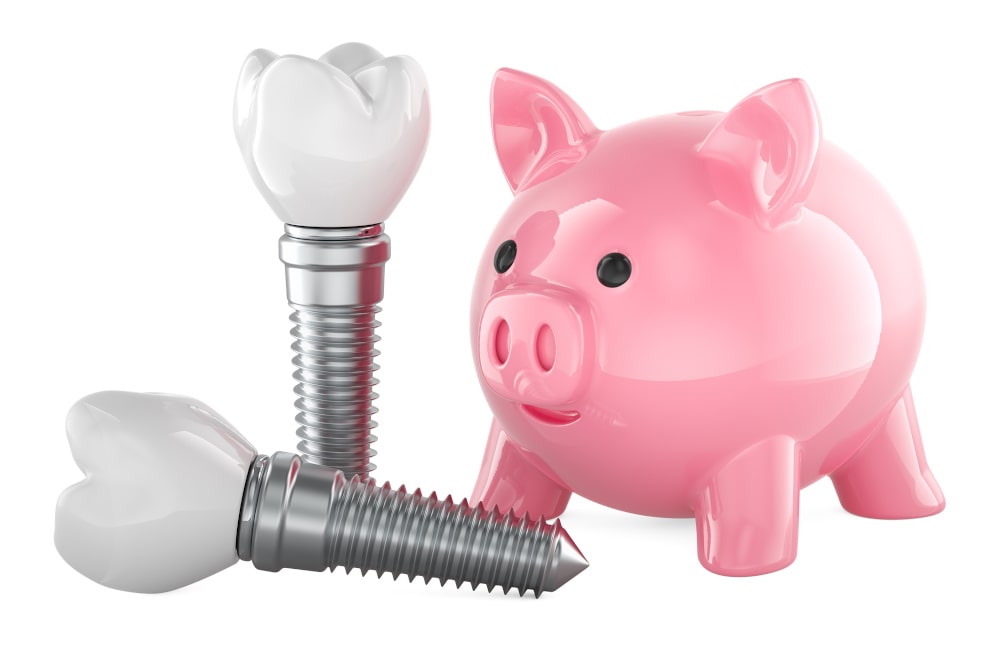
How Much Do Dental Implants Cost in Canada?
Key Takeaways
- The average cost of dental implants in Canada ranges between $3,000 and $6,000 per tooth.
- A single tooth implant typically includes the implant fixture, abutment, and crown — costing approximately $3,500 to $5,000 in total.
- In Toronto, dental implants often fall on the higher end of the spectrum, ranging from $3,800 to $6,500, depending on complexity and clinic.
- Prices can vary significantly based on the clinic's reputation, the technology used, and whether bone grafting or sinus lifts are required.
- OHIP does not cover dental implants; however, some private dental insurance plans may offer partial coverage.
What is the average cost of dental implants in Canada?
Dental implants are a long-term investment in oral health, and their pricing reflects the surgical expertise, material quality, and lab work involved. Across Canada, the average cost of a single dental implant ranges widely depending on location, dental clinic reputation, and patient-specific needs.
National Averages
The average cost per dental implant ranges between $3,000 and $6,000 per tooth. This includes the surgical placement of the titanium implant, abutment, and dental crown. Prices may increase if additional procedures, such as bone grafts or sinus lifts, are required.
Breakdown of Pricing
Implant billing is typically itemized, which means each component and procedure contributes to the final cost:
- Implant post (titanium screw placed into jawbone): $1,500 – $2,500
- Abutment (connector between implant and crown): $300 – $500
- Crown (custom prosthetic tooth): $1,000 – $2,000
- Additional procedures (bone grafts, X-rays, CT scans): $300 – $2,500
Some clinics offer package pricing, but it's essential to confirm what’s included.
Low-End vs High-End Pricing
Lower-cost dental implant procedures (closer to $3,000) are often performed in smaller towns or dental schools. These institutions may still maintain high standards but offer reduced fees due to their educational settings or lower overhead costs.
At the higher end (above $5,500 per tooth), patients may be paying for:
- Premium zirconia or porcelain crowns
- Advanced surgical planning (e.g., guided implant surgery)
- Clinics located in urban centers like Toronto or Vancouver
- Specialists with decades of experience
Canada-Wide Cost Table
| Location Type | Average Cost Per Implant | Additional Costs (if applicable) |
|---|---|---|
| Small-town Clinics | $2,800 – $4,000 | Usually excludes the crown |
| Urban Clinics | $4,000 – $6,000 | Includes abutment and crown |
| Dental Schools | $1,500 – $3,000 | May require a more extended treatment period |
Dr. James C.H. Ko, DDS, emphasizes: “Implants are not just about replacing a tooth — they’re about restoring full function and aesthetics for long-term oral health. That quality comes with a cost, but it’s worth the investment.”
How much does a single tooth implant cost in Canada?
If you’re considering a dental implant for one missing tooth, understanding the full cost breakdown is crucial. A single implant must replicate the root, the visible crown, and the connection in between. Let’s break it down.
Typical Cost Structure
A single tooth implant is not a one-size-fits-all solution. The total cost is usually distributed across three major components:
- Implant fixture (surgical screw placed into the jaw): $1,500 – $2,500
- Abutment (connects crown to implant): $300 – $500
- Crown (visible part, often porcelain or zirconia): $1,200 – $2,000
In total, a single tooth implant in Canada will cost between $3,500 and $5,000.
Additional costs may include:
- X-rays and CT scans: $100 – $500
- Bone graft or sinus lift (if needed): $400 – $2,000
- Consultation and follow-ups: $100 – $300
Sample Cost Comparison Table
| Component | Cost Range | Notes |
|---|---|---|
| Implant Fixture | $1,500 – $2,500 | Titanium is the most common |
| Abutment | $300 – $500 | May be custom or prefabricated |
| Crown | $1,200 – $2,000 | Porcelain crowns are standard |
| Total Estimate | $3,500 – $5,000 | Excludes bone grafting |
Dr. Amir Guorgui, BSC, DMD, MACSD, explains:
“Patients should understand that implant dentistry is about precision and planning. A single-tooth implant involves surgical placement, prosthetic planning, and laboratory work — all tailored to a single person. It’s not just a screw and crown.”
He also emphasizes that patients should look for clinics that offer complete transparency in pricing and treatment timelines.

How much do dental implants cost in Toronto specifically?
Dental implant procedures in Toronto often come with higher costs compared to those in other regions of Canada. This can be attributed to factors such as clinic location, operational expenses, and local demand.
Regional Pricing Range
In Toronto, the cost for a single dental implant typically ranges from $3,800 to $6,500. Factors contributing to this higher range include:
- Specialist surgeons and prosthodontists
- Clinic location and overhead
- Premium materials (zirconia, custom abutments)
- Use of 3D imaging and guided surgery
Some clinics may offer financing or phased treatment plans to manage affordability.
How It Compares to the National Average
The upper tier in Toronto aligns with national highs, but the minimum cost is often higher than what’s seen in smaller cities or towns. While the Canadian average starts around $3,000, Toronto rarely sees implant services below $3,800, unless they are provided at dental schools or during promotional periods.
OHIP and Insurance Considerations
OHIP does not cover dental implants, as they’re considered elective procedures. However, some extended health insurance plans may reimburse a portion of:
- Crown fabrication costs
- Surgical consultation or imaging fees
- Bone grafting (in rare, medically necessary cases)
It's essential to confirm with your insurance provider before beginning treatment.
What factors affect the cost of a dental implant?
Dental implant costs can fluctuate significantly based on various clinical and non-clinical factors. Understanding these variables helps patients make informed decisions and identify fair pricing.
1. Implant Material and Brand
Different implant systems and materials come with other costs.
- Titanium implants are the most common and cost-effective.
- Zirconia implants are more aesthetic but pricier due to their manufacturing complexity.
- Brands like Straumann, Nobel Biocare, and Astra Tech typically charge more but offer better longevity and support.
2. Location of the Dental Clinic
Geography affects cost. Clinics in urban centers, such as Toronto or Vancouver, have higher operational costs, which are reflected in their pricing. Rural clinics or dental schools may offer more affordable rates.
3. Dentist's Training and Experience
Highly experienced surgeons or prosthodontists often charge more:
- Board-certified specialists command higher fees.
- Implantologists with decades of experience often utilize advanced tools, such as 3D imaging and guided surgery.
4. Complexity of the Surgical Procedure
Some implant cases are straightforward, while others require extensive preparation:
- Bone grafting or sinus lifts increase time and cost.
- Immediate-load implants (teeth-in-a-day) are faster but require higher planning precision.
Cost Influence Table
| Factor | Influence on Cost | Notes |
|---|---|---|
| Material | High | Zirconia is more expensive than titanium |
| Location | Moderate to High | City clinics generally cost more |
| Dentist Expertise | High | Specialist fees increase the cost |
| Surgical Complexity | Very High | Bone grafts or sinus lifts are costly |
| Technology Used | Moderate to High | Digital imaging adds precision & cost |
What’s the difference in cost between types of dental implants?
Dental implants come in various forms, each with its own procedure, cost, and application. Here's how the most common types compare in pricing and use cases.
1. Endosteal vs. Subperiosteal Implants
- Endosteal implants (placed in the jawbone) are the most commonly used type and are usually more affordable.
- Subperiosteal implants (placed under the gum but on top of the bone) are used when jawbone height is insufficient. They tend to be more expensive due to their complexity.
2. Mini Dental Implants
Mini implants are smaller in diameter and used for temporary or less demanding prosthetics.
- Generally, 30-50% cheaper than standard implants.
- Not ideal for back molars or heavy chewing forces
3. All-on-4 vs. Traditional Implants
- All-on-4 implants replace an entire arch of teeth using four strategically placed implants.
- Traditional full-arch replacements typically utilize 6–8 implants, offering improved long-term durability.
Cost Comparison Table
| Type of Implant | Average Cost (CAD) | Use Case |
|---|---|---|
| Endosteal | $3,500 – $6,000 | Standard single-tooth replacement |
| Subperiosteal | $4,500 – $7,500 | Limited bone structure cases |
| Mini Implant | $1,500 – $3,000 | Temporary or front teeth |
| All-on-4 (per arch) | $20,000 – $30,000 | Full arch replacement with fewer posts |
| Traditional Full Arch | $28,000 – $40,000 | More stable, long-term prosthesis |
Are there financing options available for dental implants?
Yes, many dental clinics in Canada offer flexible payment options for patients seeking implant treatment. The goal is to make high-cost procedures more accessible.
Common Financing Options in Canada
- Monthly Payment Plans: Spread the cost over 6 to 24 months
- Third-party financing: Services like Dentalcard or Medicard offer dental loans
- In-house financing: Offered directly by some clinics without credit checks
Financing at Pickering Smile Centre
According to their Financing page, Pickering Smile Centre offers:
- Customizable monthly plans through third-party providers
- 0% interest short-term options for qualifying patients
- Quick approval process via online forms
Tips for Using Financing Wisely
- Ask for full disclosure of interest rates and total repayable amounts.
- Check if prepayment penalties apply.
- Use financing only after a detailed treatment plan and cost breakdown is provided.
This financial flexibility allows more patients to access high-quality care without delaying necessary treatment.
What alternatives to dental implants are less expensive?
For patients concerned about the high cost of dental implants, there are more affordable options for tooth replacement. While these alternatives may lack the durability or natural feel of implants, they still restore function and aesthetics at a lower cost.
1. Dental Bridges
- A bridge uses adjacent teeth as anchors for a false tooth in between.
- Suitable for patients missing one or two teeth in the same area.
- Typically costs between $1,500 and $3,000, depending on the materials used.
Pros:
- Faster to place than implants
- No surgical procedure required
Cons:
- Involves grinding down adjacent healthy teeth
- May need replacement after 5–10 years
2. Removable Dentures (Full or Partial)
- Used when multiple teeth are missing, especially in older patients
- Complete dentures: $1,200 – $2,500
- Partial dentures: $700 – $1,800
Pros:
- Affordable and non-invasive
- Easy to adjust or replace
Cons:
- Can shift or cause discomfort
- Shorter lifespan compared to implants
Comparison Table
| Treatment Type | Cost Range (CAD) | Durability | Aesthetics | Surgical? |
|---|---|---|---|---|
| Dental Implants | $3,000 – $6,000 | 15–25+ years | Excellent | Yes |
| Dental Bridges | $1,500 – $3,000 | 5–10 years | Good | No |
| Full Dentures | $1,200 – $2,500 | 5–10 years | Fair | No |
| Partial Dentures | $700 – $1,800 | 5–10 years | Fair to Good | No |
How long do dental implants last compared to other treatments?
Longevity is a significant factor when comparing dental implants to other tooth replacement options. While the upfront cost of implants may be higher, their long-term value is often better.
Lifespan of Dental Implants
Dental implants, when well maintained, can last 15 to 25 years or longer. In many cases, they last a lifetime, especially if:
- The patient retains excellent oral hygiene
- A skilled specialist places the implant
- Regular dental checkups are attended
Studies such as "Long-term performance of dental implants," published in Clinical Oral Implants Research, show a success rate of over 90% after 10 years.
Comparison to Other Options
| Treatment | Typical Lifespan | Notes |
|---|---|---|
| Dental Implants | 15–25+ years | May last a lifetime with good care |
| Dental Bridges | 5–10 years | Risk of decay in supporting teeth |
| Removable Dentures | 5–10 years | May need relining or replacing |
Bridges and dentures typically require periodic adjustments, repairs, or complete replacements, which can add to their long-term costs.
Why Implants Last Longer
Implants fuse with the jawbone through a process called osseointegration, providing a stable, long-term foundation. They also help preserve bone density — something that dentures and bridges can’t do.
What is the real cost of dental implants, and how can to plan for it?
So, what’s the actual price tag of a dental implant? It depends on multiple factors, including location, complexity, materials, and the dentist's expertise. But what’s more important is understanding the value behind that cost.
Key Cost Recap
| Factor | Typical Range (CAD) | Notes |
|---|---|---|
| Single Tooth Implant | $3,500 – $5,000 | Includes implant, abutment, and crown |
| Toronto Area Implant | $3,800 – $6,500 | Urban clinics may charge more |
| Alternative: Bridge | $1,500 – $3,000 | Shorter lifespan |
| Alternative: Full Denture | $1,200 – $2,500 | Less stable |
How to Decide
When weighing your options:
- Consider long-term durability vs short-term savings
- Evaluate your jawbone health and suitability for implants
- Get a written treatment plan with cost breakdowns
- Explore financing to make the procedure more accessible
Pickering Smile Centre provides guidance and consultations for patients exploring implant dentistry. Their Restorative Dentistry and Financing Options pages are good starting points for planning your treatment.
Dental implants are an investment — but one that pays off in terms of quality of life, confidence, and overall health. Planning well, consulting the right experts, and understanding all your options ensures that the investment is both wise and rewarding.